Refurbished imaging equipment carries an unfair reputation in both directions. Some buyers treat it as obviously false economy; others treat it as an obvious saving. Both are wrong, because the answer depends on four factors that have nothing to do with the discount.
Factor one: remaining manufacturer support
This is the single most important question, and it is answerable before you look at anything else. Every platform has a published end-of-support date after which the manufacturer stops producing parts and issuing software. Buying a system three years from that date means buying a maintenance problem regardless of its condition today.
Ask for the platform's support horizon in writing. If a vendor cannot produce it, that is the answer.
Factor two: who did the refurbishment, and to what standard
"Refurbished" is not a regulated term. It describes everything from a full manufacturer rebuild to a cosmetic clean. What you want is documentation specific to your serial number: the parts replaced, the calibration certificate with measured values, electrical safety results, and the name of the technician who released it.
A supplier who supplies that package as a matter of course has a process. One who offers a general description of "our rigorous refurbishment standards" does not.
Factor three: the consumable that will fail next
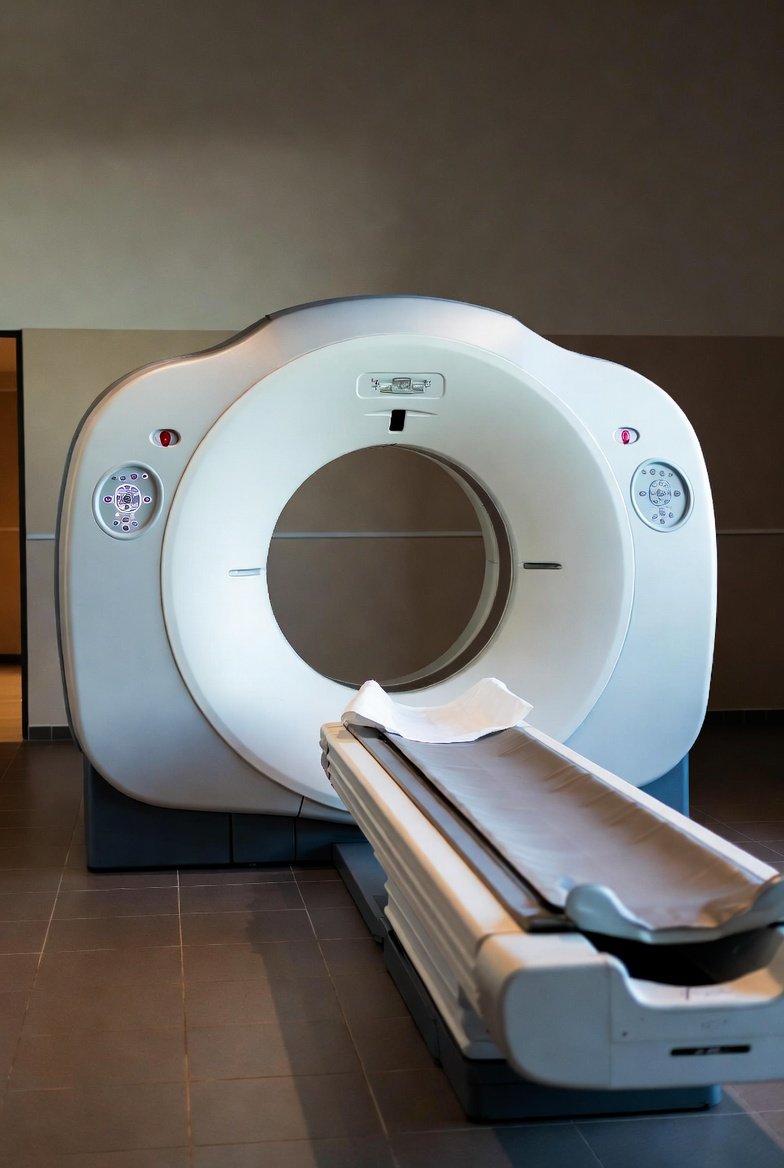
On a CT, that is the X-ray tube. On digital radiography, the detector. On MRI, the cold head and the cryogen system. These items dominate lifetime cost, and their remaining life is measurable - tube seconds, detector hours, cold head runtime.
Get those figures. A system priced attractively with a tube at eighty percent of its rated life is not priced attractively; it is priced with a large invoice attached that has not arrived yet.
Factor four: what your clinical service actually needs
A previous-generation platform in good condition is an excellent decision when the clinical requirement is stable. It is a poor one where reconstruction algorithms, dose reduction or workflow integration have moved materially in the intervening years - which they have in cardiac CT and in advanced MRI sequences, and have not in general radiography.
A rough rule
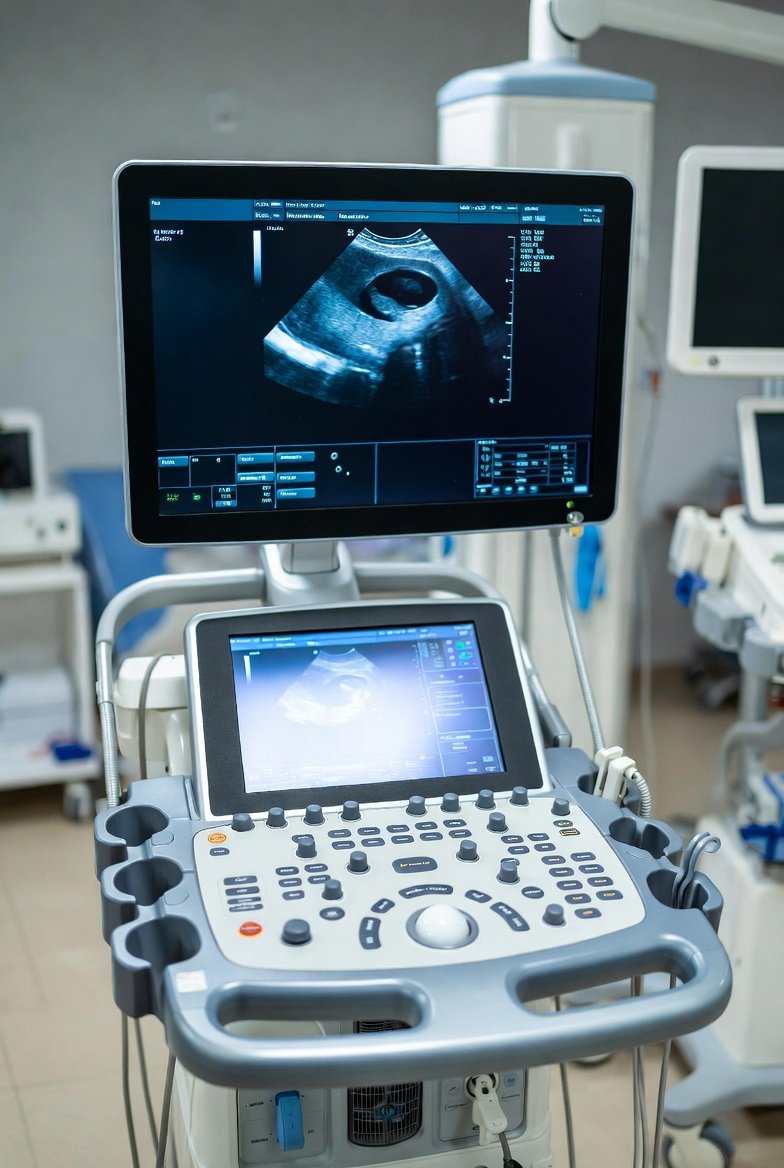
Certified pre-owned tends to be the right call for general radiography, mobile imaging, ultrasound outside advanced applications, and any second system providing capacity rather than capability. It tends to be the wrong call where the clinical case depends on current-generation capability, or where the platform is inside three years of end-of-support.
Between those two, do the four checks. They take a phone call each.