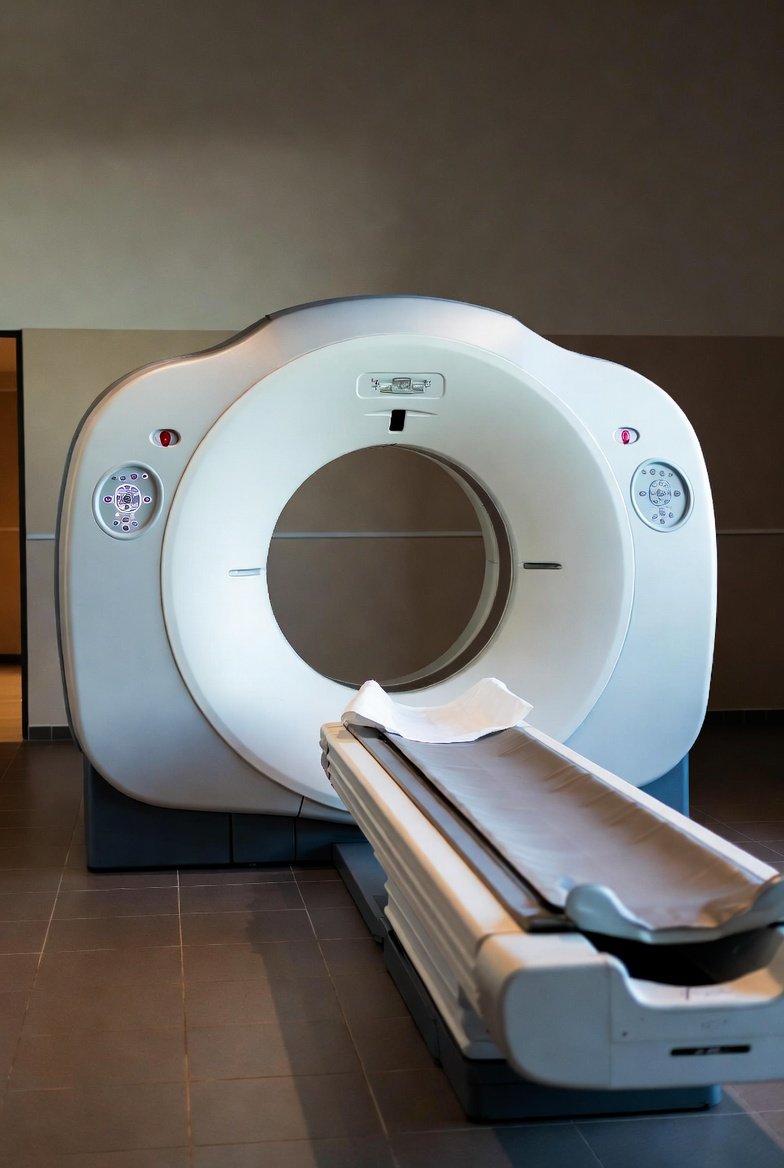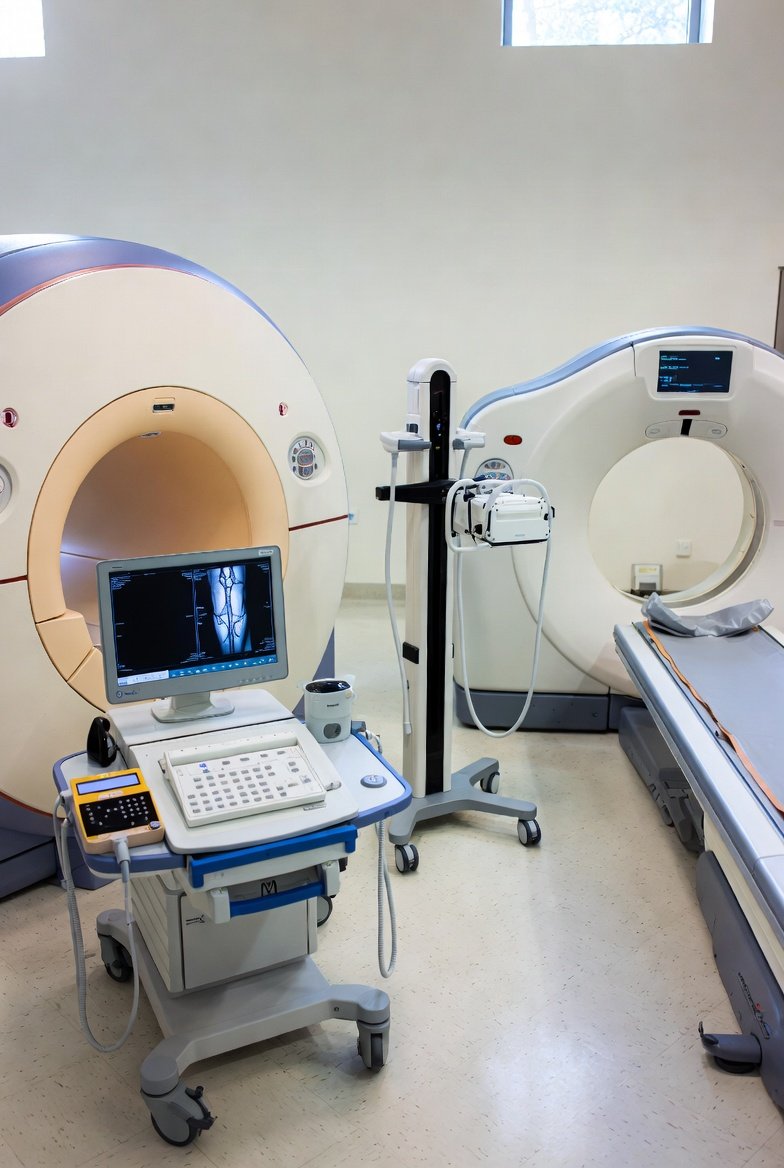
The equipment portion of an accreditation survey is not conceptually difficult. It asks whether you know what equipment you have, whether it is maintained on a defined schedule, and whether you can prove both. Facilities fail it constantly, and almost never because the maintenance was not done.
The four questions behind every equipment finding
- Is there a complete inventory? Every device in the maintenance programme, identified by asset tag, with location and risk classification.
- Is there a defined maintenance strategy per device? Manufacturer-recommended intervals, or a documented alternative equipment maintenance approach with the reasoning recorded.
- Was the maintenance completed on schedule? Completion rates, with a documented explanation for anything missed.
- Is there evidence? A dated record per event, naming the technician and their qualification, describing the work, listing parts, recording test results and stating the next due date.
Where it usually goes wrong
Not in the work. In the evidence. Common failure patterns:
- Service reports living in a vendor's system that you cannot export on demand.
- Records that show a visit occurred but not what was tested or measured.
- No technician qualification recorded, so competence cannot be demonstrated.
- Calibration certificates without traceability to a national standard.
- Assets serviced by three vendors with three incompatible record formats.
The fix is a procurement requirement
Every one of those is preventable at contract stage. Specify in the service agreement that records must be delivered to you - not merely available on request - in a defined format, within a defined period after each visit, containing the fields your accrediting body expects.
Suppliers who work in healthcare regularly will agree without argument, because they are already producing it. The ones who resist are telling you what their documentation looks like.
If you are already behind
A facility with unreliable records and a survey approaching does not need a heroic remediation project. It needs a baseline inspection to establish current condition, a risk-ranked catch-up schedule, and honest documentation of the gap and the plan. Surveyors respond considerably better to a documented, in-progress corrective plan than to an inventory that appears complete and is not.