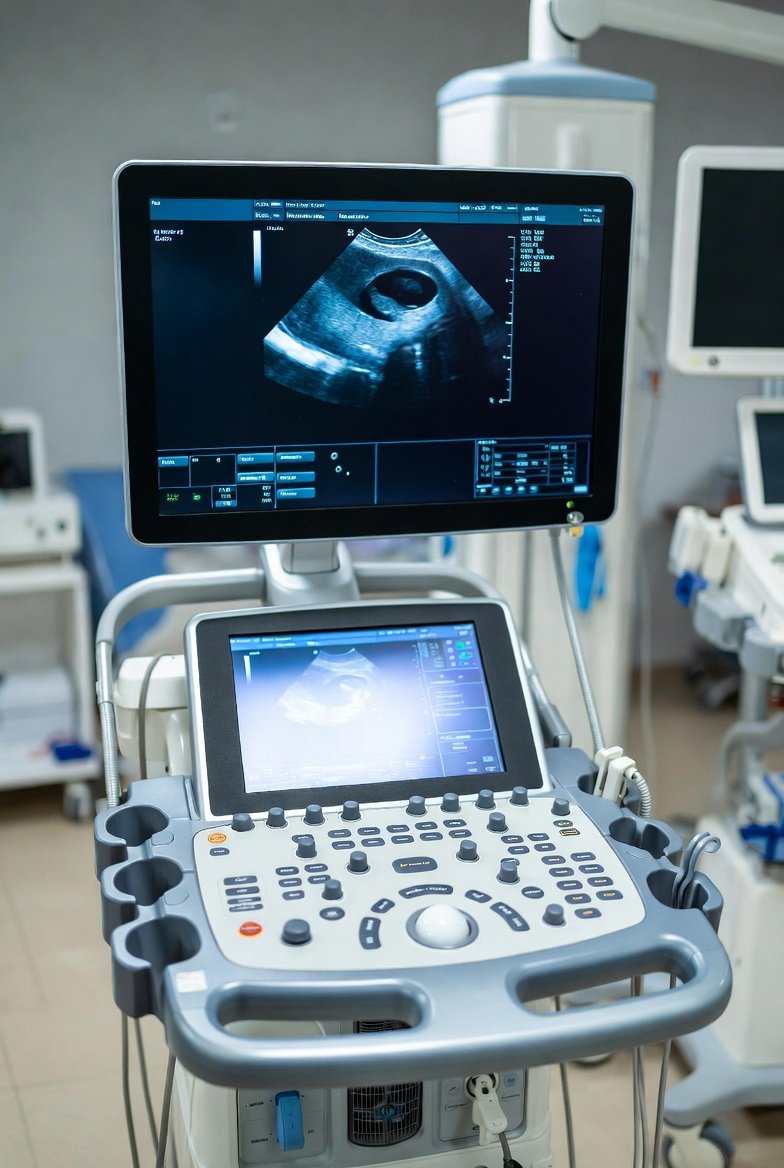
Point-of-care ultrasound has become genuinely affordable. A capable handheld unit now costs less than a mid-range patient monitor, which has moved the purchasing decision from capital committee to departmental budget.
That is mostly good. It has also produced a specific failure mode we now see regularly: devices bought, distributed, and barely used eight months later.
The hardware was never the constraint
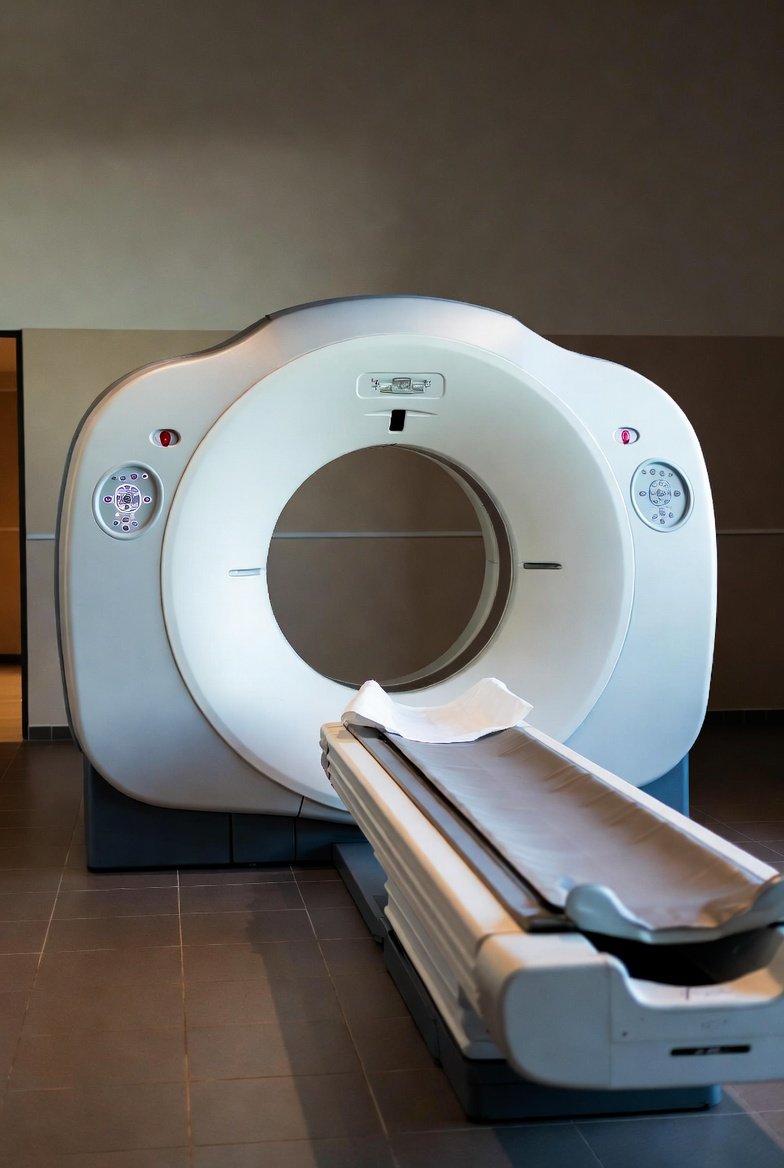
Diagnostic ultrasound is operator-dependent in a way that most equipment is not. A CT produces a comparable image regardless of who pressed the button. An ultrasound produces an image whose diagnostic value depends heavily on the person holding the probe.
Which means the meaningful cost of a POCUS programme is competency, and competency is a schedule problem rather than a money problem. Clinicians need supervised scans, image review, and a documented pathway to sign-off. None of that happens because a device arrived.
What a functioning programme has
- A defined scope - which examinations this device is used for, and which it explicitly is not.
- A named clinical lead who owns image quality review.
- A logged number of supervised studies before independent use.
- Image archiving into the patient record, not stored on the device.
- A refresher pathway, because staff turnover resets this.
Budget the second line
If you are costing a POCUS rollout, put a training and competency line next to the hardware line and make it visible. It will be a meaningful fraction of the device cost, and it is the fraction that determines whether the device is used at all.
We have declined to quote handheld units to practices that had no plan for this, and suggested they start with two devices and a training programme rather than eight devices and none. That advice has held up.