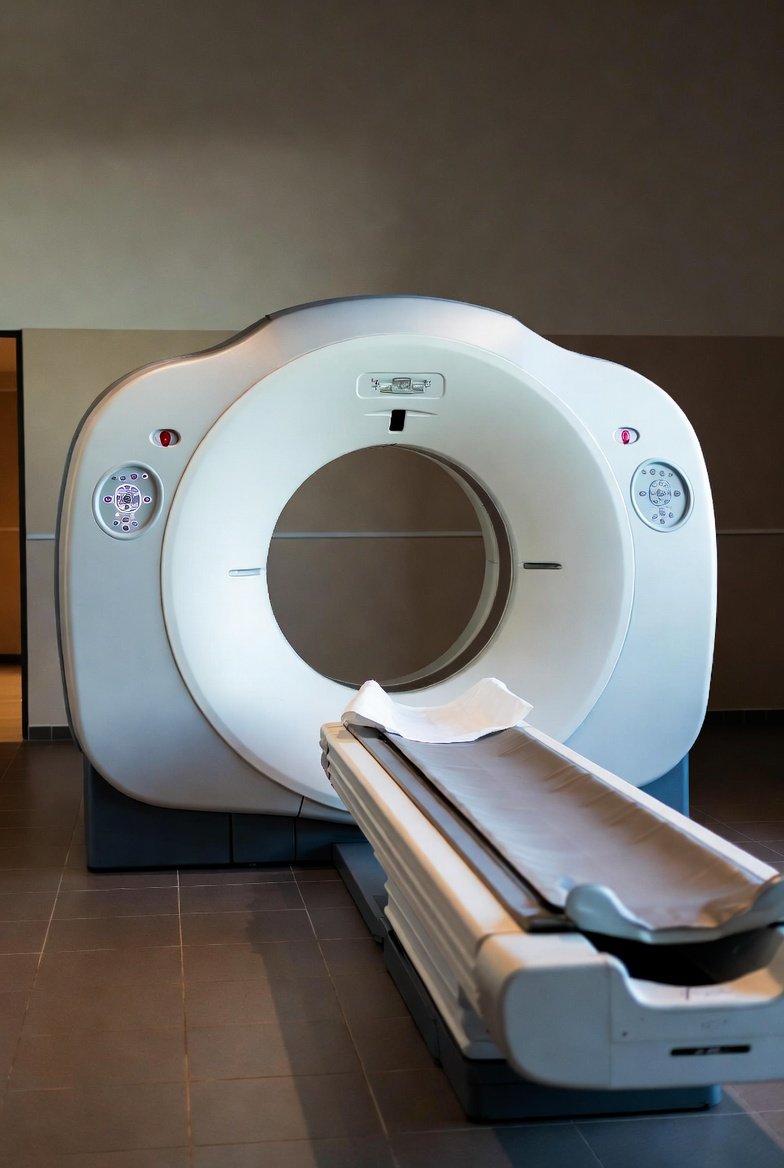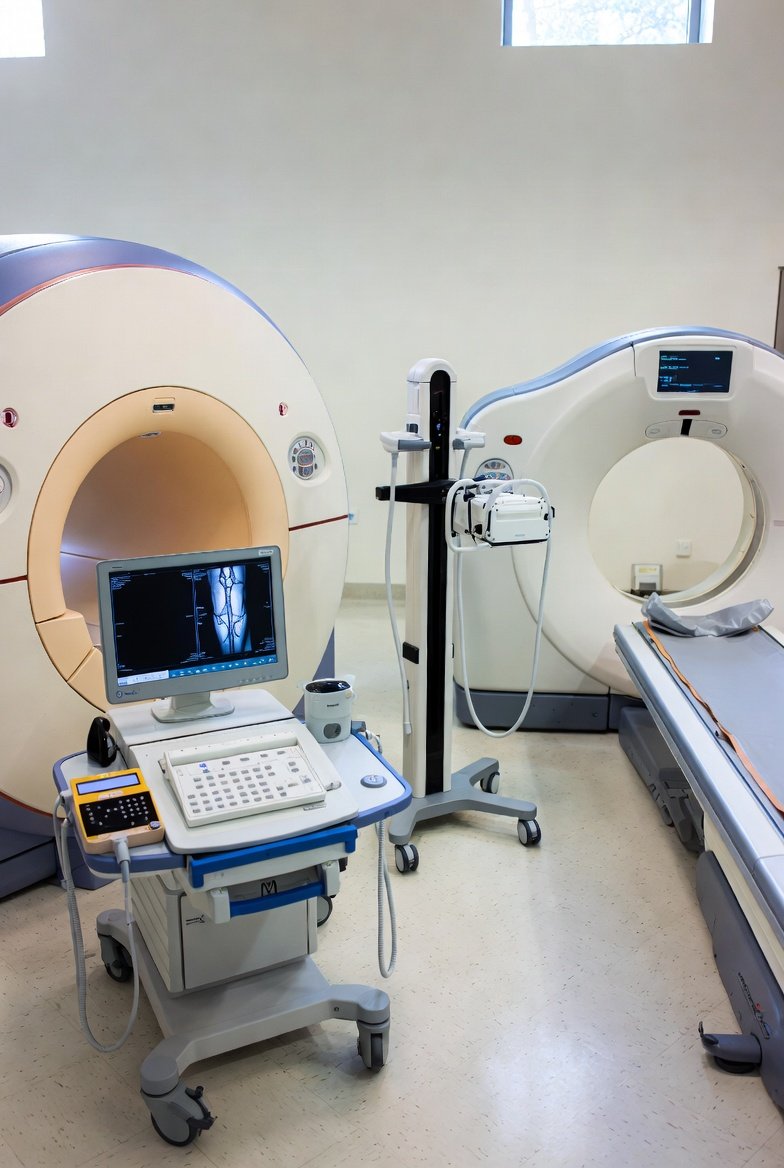
Equipment fails on its own schedule. Capital budgets are set on the organisation's. When those two collide - and they do, every year - the usual response is to defer, run the failing asset harder, and absorb the downtime.
That is sometimes correct. Often it is just the only option anyone has explained. There are four others.
1. Operating lease
A fair market value lease is structured so that payments reflect use rather than ownership, which under most treatments keeps the equipment off the balance sheet and moves the spend into the operating budget. Since the operating budget is usually not the one that has been frozen, this is the most common route around a capital constraint.
At the end of the term you can return the equipment, buy it at fair market value, or upgrade. That optionality is worth real money on platforms where technology moves.
2. Deferred-start financing
Payments begin ninety to a hundred and eighty days after installation. Useful where the equipment supports a service that will be billing before the first payment lands, and useful where you simply need the spend to fall in the next fiscal period.
3. Managed equipment programme
One monthly figure covering equipment, planned maintenance, corrective repair, consumables and scheduled refresh across a department or a whole fleet. Administratively simpler and entirely operational, but only sensible at genuine scale - below a certain size the overhead is not worth it.
4. Repair rather than replace
The option most likely to be skipped. A significant proportion of "we need to replace this" conversations turn out to be a single failed subassembly on an otherwise sound platform. A detector retrofit on a serviceable radiography room, a tube replacement, a controller rebuild - these routinely cost a fraction of replacement and buy several more years.
This should be assessed first, before any financing conversation, because it is the only one of the four where the answer might be that you do not need the money at all.
The order to work through
Repair assessment first. Then, if replacement is genuinely required, operating lease or deferred-start depending on whether the constraint is balance sheet or timing. Managed programmes last, and only at scale.
None of this is exotic. It is standard practice that tends not to get raised because the person you are talking to sells equipment rather than structures.